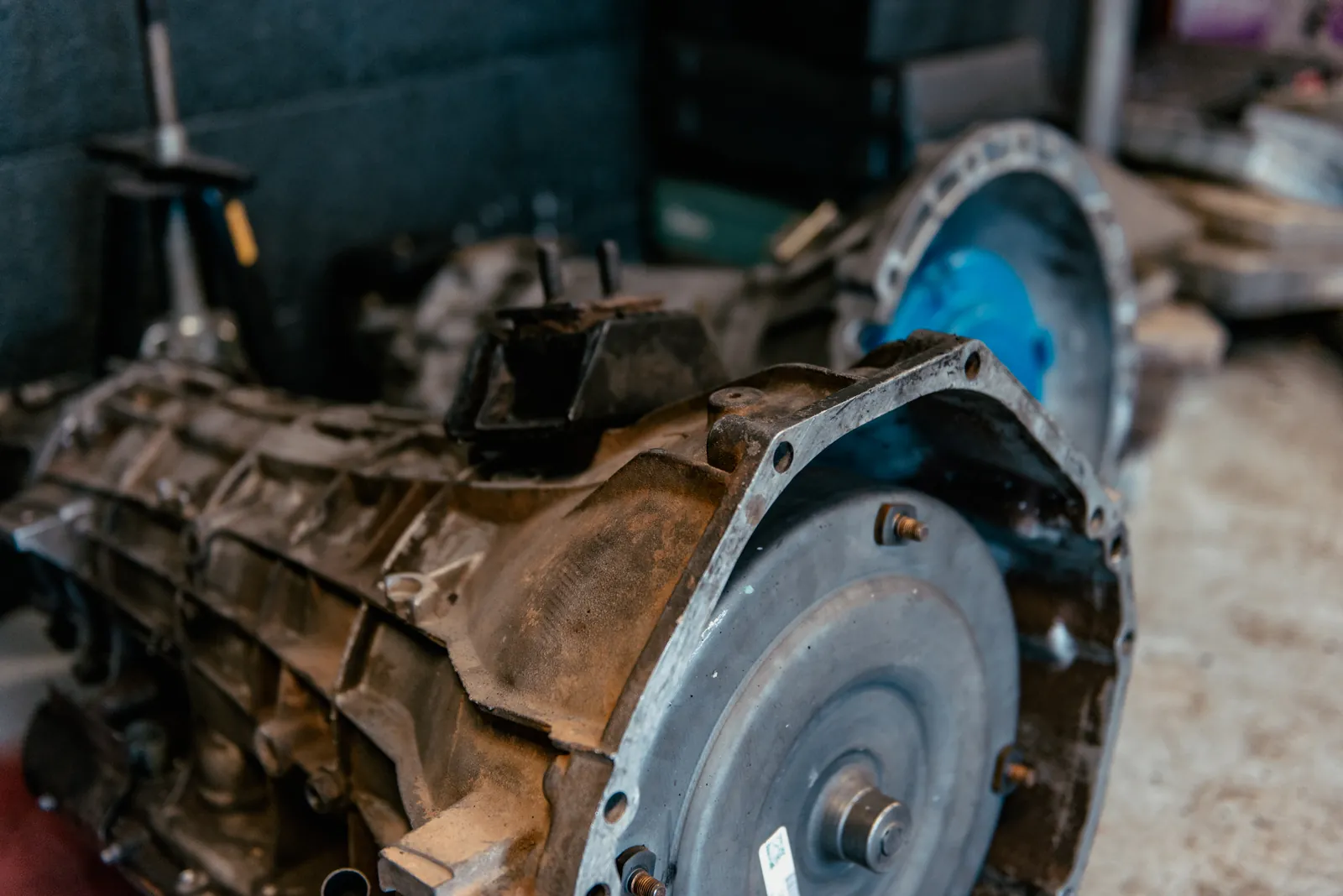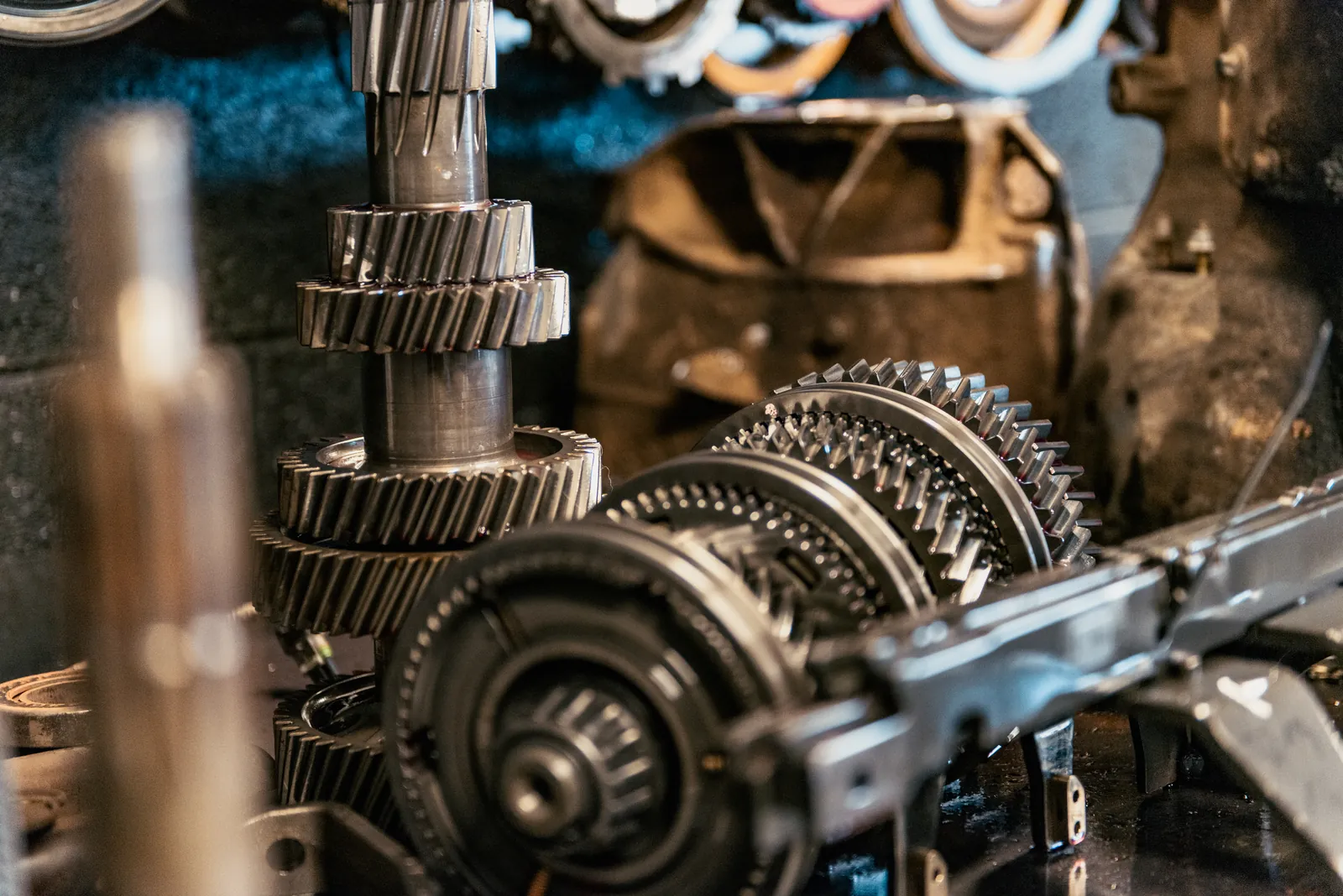

A transmission whining noise can be unsettling, especially when it becomes more noticeable during acceleration or at a familiar speed. The sound may be high-pitched, more like a hum, or seem to come from under the floor. It may show up only when the vehicle is cold, only after a longer drive, or only when towing or climbing a grade.
The important thing to know is that a whine is a symptom, not a diagnosis. A transmission, torque converter, differential, axle, wheel bearing, belt-driven accessory, or another driveline part can create a similar sound. The most useful next step is to notice the pattern and have the vehicle checked before guessing at a flush, additive, or major repair.
What a Transmission Whine Can Sound Like
Drivers describe a whine in different ways: a faint high-pitched sound, a rising hum, a siren-like pitch, or a sound that becomes more obvious as the vehicle accelerates. The description helps, but the timing helps more. Does the sound rise with engine speed while the vehicle is parked? Does it become louder only as road speed increases? Does it change when the vehicle shifts, when you lift off the throttle, or when you put it in Drive or Reverse?
Those details do not require you to diagnose the vehicle yourself. They simply help separate a noise that follows the engine from one that follows wheel speed or load. A Ford technical bulletin for certain F-150 and Mustang vehicles, for example, describes a specific transmission-area whine during acceleration on particular model years and equipment. That is a reminder that the vehicle, transmission, and driving conditions all matter, not that every whine has the same cause.

When the Noise Happens Is the Best Clue
Before an appointment, make a short note of when you hear the noise. One or two clear observations are more useful than repeatedly trying to make the sound happen. Pay attention to these patterns:
- At idle or in Park: A sound that changes with engine rpm while the vehicle is not moving may point the inspection toward an engine-driven or hydraulic component.
- When shifting into gear: A whine that appears in Drive or Reverse, especially with a delay or harsh engagement, deserves prompt attention.
- During acceleration: Load may make a transmission, converter, differential, axle, or accessory noise easier to hear. Note the approximate speed and throttle input.
- At one road speed: A sound that rises with vehicle speed can overlap with wheel bearings, tires, driveline parts, and transmission-related components.
- After warming up or towing: Heat and load can change how a concern presents. That context is helpful, particularly for Prescott-area grades, work trucks, and trailers.
If the noise is new, avoid the temptation to turn it into a long test drive. A brief note about speed, temperature, gear, and load is enough to give the shop a better starting point.
Could It Be the Transmission?
It could, but the sound alone does not prove it. Automatic transmissions rely on the correct fluid, hydraulic pressure, moving internal parts, and electronic controls. A concern in that system may bring other symptoms with it: delayed engagement, hard or uncertain shifts, slipping, a shudder, a fluid leak, or a warning light. A whine paired with a change in how the vehicle moves is more urgent than a sound with no other drivability change.
Fluid condition is one part of the picture. Low fluid, an active leak, fluid that is not the vehicle's specified type, or aeration can affect operation. But adding fluid without confirming the level and the reason it is low can miss the leak or use the wrong procedure. Many newer vehicles also have a specific temperature-based process for checking fluid, so a driveway guess is not a dependable answer.
Some noises may involve a pump, bearing, gear set, torque converter, or another internal component. The repair is not determined from a sound alone. An inspection may include a road test, fluid and leak check, scan information, and a closer look at related systems before a technician recommends work.
Vehicle makers approach specific noises with vehicle-specific diagnostic steps for the same reason. A General Motors diagnostic bulletin for certain 10-speed transmissions addresses a particular automatic-transmission whine, not every vehicle that makes one. The useful takeaway for any driver is to have the exact vehicle and its operating pattern checked before approving a repair.

Other Problems That Can Sound Similar
A noise that seems to come from the transmission tunnel can travel through the vehicle, which makes the source hard to pinpoint from the driver's seat. A differential or driveshaft concern may create a whine that changes with road speed. An axle, CV joint, wheel bearing, tire issue, or brake concern can also create a hum, growl, or whine that feels like it is under the floor.
The front of the engine can create a similar sound as well. A belt, pulley, alternator, power steering system, or another engine-driven accessory may change pitch with engine rpm, even when the transmission is not the cause. That is why it matters whether the sound follows rpm in Park, road speed while coasting, steering input, or a particular gear.
Advanced Transmission Rebuilding looks beyond one part when the symptom calls for it. The shop's drivetrain repair service covers the axles, driveshafts, and differentials that can overlap with transmission concerns. A careful diagnosis protects you from approving work based on a guess.

How the Shop Narrows Down the Source
A good inspection starts with the driver's description, then checks whether the sound can be repeated under safe, controlled conditions. The goal is not to make the vehicle fail harder. It is to compare the noise against the conditions that bring it on: cold or warm, parked or moving, light throttle or heavy load, straight ahead or turning, and one gear or several.
From there, a technician may inspect for fresh fluid, damaged mounts, loose shields, tire condition, or visibly worn driveline parts. A road test can help distinguish an engine-speed sound from a road-speed sound. Diagnostic information from the vehicle can add useful context when there is a stored fault or an unusual operating pattern. The correct process varies by make and model, but the common thread is evidence. Replacing a part because it is near the sound is not the same as proving it is the source.
That distinction can save time and money. A transmission problem may need transmission work. A wheel bearing, axle, differential, or belt-drive problem needs a different repair path. When a vehicle has more than one symptom, such as a whine plus a shift delay or a leak, the combination often gives a clearer starting point than any single symptom by itself.
Automatic and Manual Transmissions Can Behave Differently
Automatic and manual transmissions do not make noises for exactly the same reasons. An automatic uses hydraulic circuits, a torque converter, and electronically controlled shifting, while a manual transmission adds a clutch, input shaft, and driver-selected gears. A sound that changes when the clutch pedal is pressed or released can point the inspection in a different direction from a sound that appears only when an automatic shifts into Drive.
Four-wheel-drive vehicles, trucks, and SUVs can add more places for a sound to travel through the driveline. Transfer-case, driveshaft, differential, and axle concerns can all overlap with what a driver thinks is transmission noise. This does not mean the problem is necessarily serious, but it is one more reason to avoid a one-size-fits-all answer. Let the shop know whether the vehicle is two-wheel or four-wheel drive, whether it has been towing, and whether the sound changes in different drive modes.
Why a Fluid Change or Additive Is Not the First Answer
It is reasonable to ask whether service is due. Routine maintenance helps when it is based on the vehicle's schedule, its actual use, and the specified fluid. A new whine, however, is a reason to determine what has changed before choosing a service. A flush or additive cannot identify a worn bearing, a driveline noise, a leak, or an electrical-control concern.
An additive that is not approved for the vehicle can also complicate the fluid specification and make later diagnosis less straightforward. If you are unsure whether the vehicle needs maintenance or diagnosis, our transmission flush guide explains why service history and vehicle condition should guide the decision. For a possible fluid-level concern, see the guide to signs of low transmission fluid.
Small Details Are Worth Bringing Along
If it is safe to do so, keep a simple note in your phone instead of relying on memory later. Record the date, outside temperature, approximate mileage, speed, and whether the sound appeared during acceleration, coasting, turning, or shifting. A short audio or video recording can be useful when the noise is intermittent, but do not use a phone while driving. Have a passenger record it or do so only when safely parked.
Also mention changes that may seem unrelated: new tires, recent brake work, a fluid service, a repaired leak, a battery replacement, trailer use, or a long trip. None of these details confirms the cause on its own. Together, they can help the technician focus the first inspection and avoid repeating steps that do not fit the pattern.
When to Stop Driving and Arrange Help
A faint, repeatable whine without any other change should still be scheduled soon. The situation is more serious if the vehicle races without normal acceleration, slips, delays before engaging Drive or Reverse, shifts violently, overheats, leaks heavily, or shows a warning light with a noticeable loss of power. Those symptoms can make it less predictable to merge, climb, or move through traffic.
Do not continue driving just to see whether the sound gets louder if you hear grinding, banging, or metal-on-metal noise, smell something burning, see smoke, or feel the vehicle losing normal control. Pull over safely and make the next decision from there. Cutting back on towing, steep grades, and long trips can reduce load while the source is still unknown.
What to Tell the Shop
A few facts can make a diagnosis much more efficient. Note when the whine started, whether it happens cold or warm, the approximate speed, the gear or driving situation, and whether it changes with acceleration, coasting, turning, or braking. Mention recent transmission service, repairs, leaks, towing, or any dashboard warning light. Bring maintenance records if you have them, especially if fluid or related work was recently completed.
You do not need to record the sound perfectly or diagnose the failed part before you call. Just describe the pattern as clearly as you can. If the noise comes with slipping or abnormal shifting, our guide to transmission slipping can help you recognize the related changes worth mentioning.
How Advanced Transmission Rebuilding Can Help
Advanced Transmission Rebuilding helps Prescott drivers identify whether a whine is coming from the transmission, torque converter, or a related driveline concern. The team can review the symptom pattern, inspect the vehicle, and recommend the next step based on what is actually causing the noise, rather than treating every whine as the same repair.
If you are hearing a new whine, noticing a shift change, or seeing a leak, call (928) 778-4663 or contact the Prescott shop. An earlier inspection can turn an uncertain sound into a clear plan.
Frequently Asked Questions
Can low transmission fluid cause a whining noise?+
It can contribute to a whine on some vehicles, especially when low fluid, a leak, or aerated fluid affects hydraulic operation. It is not the only possible cause, so the correct level, fluid condition, and source of any loss need to be checked before assuming a fluid service will solve the noise.
Why does my transmission whine when I accelerate?+
Acceleration adds load and can make a noise easier to hear, but the source may be inside the transmission, torque converter, differential, axle, wheel bearing, engine accessory drive, or another related system. Whether the pitch follows engine speed, road speed, gear, and throttle helps narrow the inspection.
Is it safe to drive with a transmission whining noise?+
A mild noise without any change in how the vehicle drives still deserves an appointment soon. Do not keep driving to test it if the vehicle slips, delays going into gear, overheats, leaks heavily, loses acceleration, makes grinding sounds, or has a warning light with a drivability change.
Will a transmission fluid change stop the whine?+
Maintenance can be appropriate when the vehicle and service history call for it, but it is not a reliable cure for every whining noise. A diagnosis should come first when the vehicle has a new symptom, because the noise may come from a worn part, a leak, a control issue, or a different system altogether.