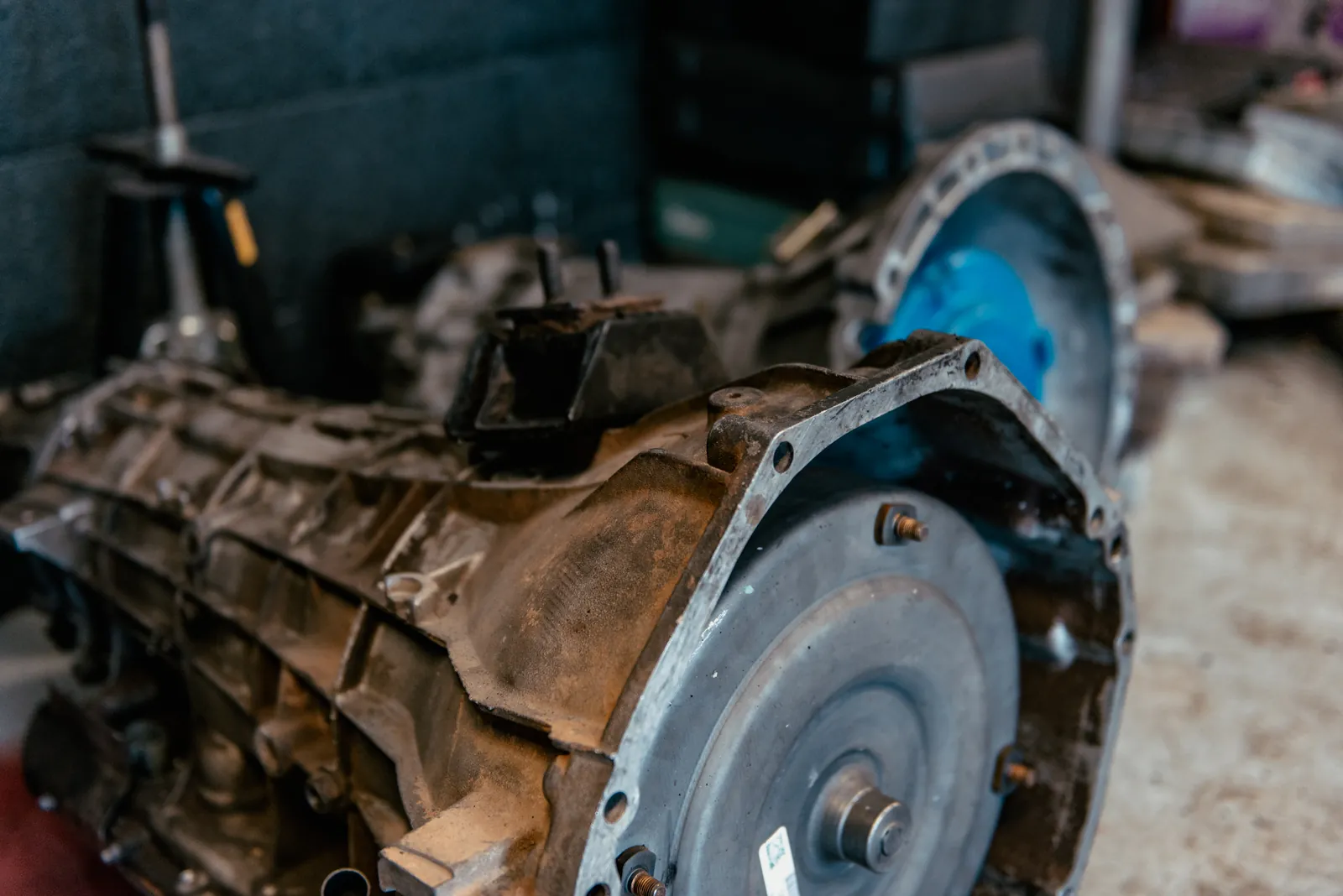
Prescott drivetrain service

Drivetrain Repair in Prescott, AZ

For axles, driveshafts, differentials, and the hard-to-pinpoint noises or vibrations that make a vehicle feel wrong on the road.

Transmission gears prepared for service at Advanced Transmission Rebuilding

Power has to reach the road

When it does not feel right, start with a real diagnosis.

Your vehicle can have a transmission that shifts normally and still have a drivetrain problem. A vibration under acceleration, a clunk when changing direction, a humming sound at speed, or a fresh leak near an axle or differential can all point to parts that carry power beyond the transmission. Those symptoms can be easy to ignore at first, especially when the vehicle still gets from place to place. They are worth checking before a worn part creates more damage or leaves you stranded.

Advanced Transmission Rebuilding helps Prescott drivers sort out drivetrain concerns with a practical inspection and a clear explanation of the next step. The shop works on cars, trucks, and SUVs, with transmission expertise that is especially useful when the symptom could involve more than one part of the powertrain. The goal is not to guess at the loudest possible repair. It is to identify what is actually causing the concern and recommend work that fits the vehicle.

That matters because a vehicle can communicate the same concern in several ways. A worn axle joint, a differential issue, a wheel-end problem, or a transmission-related concern may all create a noise or vibration that feels similar from the driver’s seat. The location of the sound does not always identify the failed part. Noting whether the issue appears while turning, accelerating, coasting, braking, towing, or driving at a particular speed gives the technician useful context. It also helps separate a repeatable drivability problem from a brief, one-time change in the way the vehicle feels.

Common warning signs

Bring it in when the vehicle starts telling you something.

Drivetrain problems do not always appear as a warning light. Often, the first clue is a change in the way the vehicle sounds, responds, or feels through the steering wheel, seat, or floor. The details matter, so notice what happens and when.

Vibration while driving

A vibration that changes with road speed or gets stronger under acceleration can come from a driveshaft, axle, wheel-end component, or another rotating part. Let the shop know whether it changes when you let off the accelerator, turn, brake, or reach highway speed.

Clunking or clicking

A clunk when shifting from Drive to Reverse, taking off from a stop, or getting on and off the throttle can point to looseness or wear in the drivetrain. Clicking during turns can also be an important clue, particularly when it is new or getting louder.

Humming, whining, or grinding

A steady hum that rises with speed, a whine while accelerating, or a grinding sound deserves attention. Similar noises can come from different systems, so a road test and inspection are more useful than replacing parts based on sound alone.

Leaks or a burning smell

Fluid around an axle, differential, driveshaft connection, or transmission area can signal a failed seal or another issue that needs attention. A burning smell, smoke, or a leak that is actively growing is a reason to stop driving and call for advice.

Vehicle drivetrain service underway in the Prescott repair shop

Axles and driveshafts

Small movements can become major drivability problems.

Axles and driveshafts connect the transmission or transfer case to the wheels. They operate under load, turn at road speed, and depend on good joints, bearings, seals, and hardware. When one of those pieces wears or is damaged, drivers may feel vibration, hear a clunk, notice clicking in a turn, or find grease or fluid where it should not be.

Road impacts, normal wear, towing, rough terrain, and age can all play a role. The repair may be straightforward, such as replacing a worn component or correcting a leak. In other cases, the symptom is connected to the differential, wheel bearing, suspension, transmission, or another system. A complete look at the vehicle protects you from chasing the wrong repair.

For trucks and SUVs, it is especially important to mention whether the concern changes in four-wheel drive, when towing, or after a change in tires, suspension, or driveline work. Those details help narrow down the conditions that reproduce the issue.

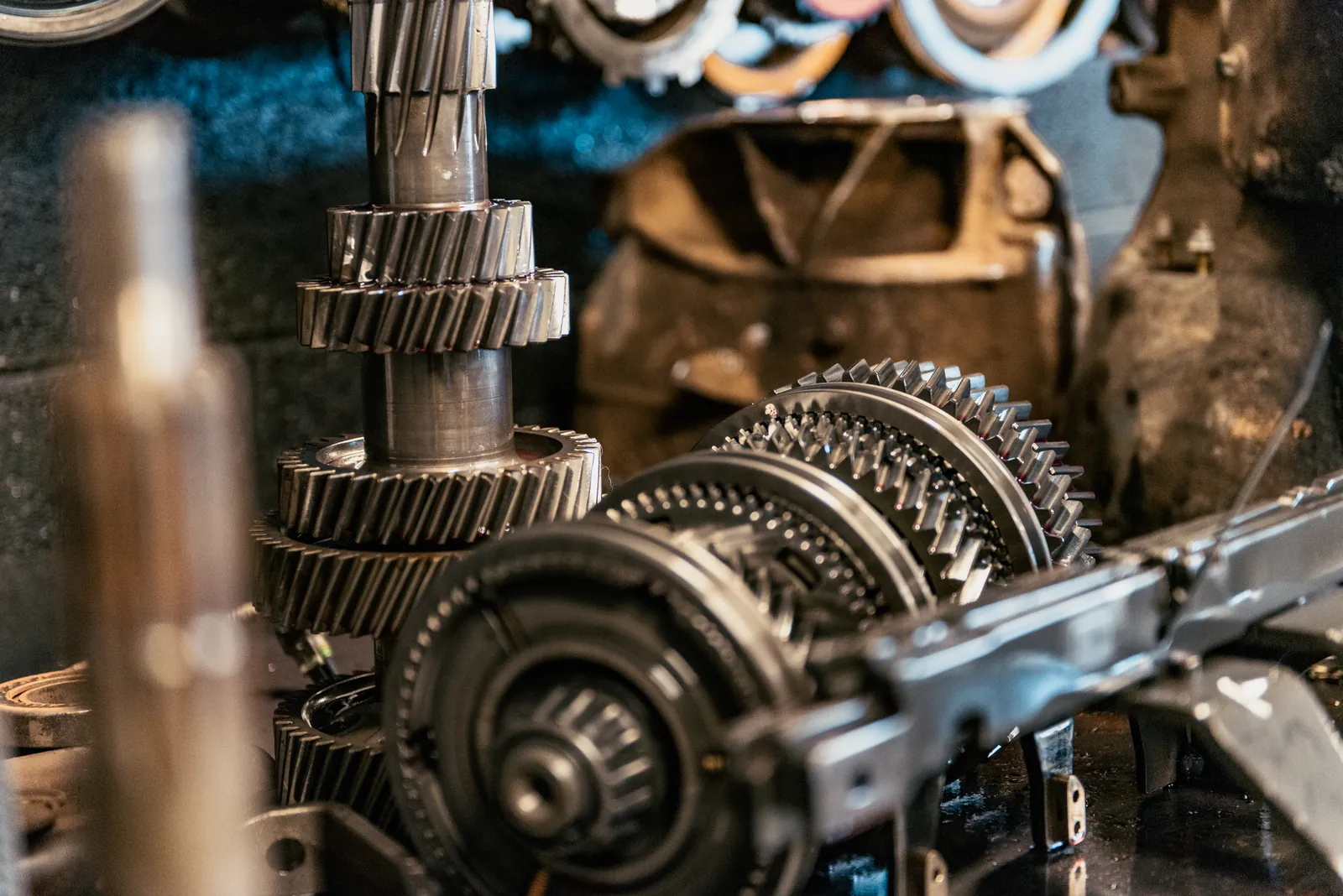
Differential repair

Protect the gears that distribute power to the wheels.

The differential allows the drive wheels to rotate at different speeds when the vehicle turns. It is a durable assembly, but it still relies on the correct lubrication, seals, bearings, and gear setup. A leak, contaminated lubricant, bearing noise, gear wear, or damage from an impact can all affect how it performs.

Drivers often describe differential trouble as a whine or hum that follows vehicle speed, a growl that changes in turns, a clunk when applying power, or fluid on the ground. Those descriptions are useful, but they are starting points rather than a final answer. A similar sound can come from an axle, driveshaft, transmission, wheel bearing, or tire issue. The best next step is to inspect the vehicle before authorizing repairs.

Advanced Transmission Rebuilding handles differential and related drivetrain repair as part of the shop’s broader auto repair work. If the concern traces back to transmission operation, the team can evaluate that system too. That gives you one place to start when the source of a vibration, noise, or loss of drive is not obvious.

A clear path forward

What happens when you bring in a drivetrain concern.

  1. 01

    Describe the symptom

    Tell the team what you notice, when it happens, and whether the vehicle is still safe to drive. A specific description helps focus the inspection.

  2. 02

    Inspect and test

    The vehicle can be checked for leaks, looseness, damage, abnormal wear, and the conditions that reproduce the concern. Diagnostics are used when the symptom points toward the transmission or electronic controls.

  3. 03

    Review your options

    You get a direct explanation of what was found and what work makes sense, whether that is maintenance, a targeted repair, or a more involved drivetrain service.

Frequently asked questions

Answers for Prescott drivers.

What is included in the drivetrain?+

The drivetrain is the group of parts that transfers engine power to the wheels. Depending on the vehicle, it can include the transmission, driveshaft, axles, differential, transfer case, wheel bearings, and related joints or seals.

Can I drive with a bad axle or driveshaft?+

A new vibration, loud clunk, grinding noise, fluid leak, or loss of drive should be checked promptly. If the vehicle feels unsafe, will not move normally, or makes severe noises, do not continue driving it. Call the shop to discuss the safest next step.

What does a differential repair involve?+

The right repair depends on the diagnosis. A differential concern may involve a leak, worn bearings, damaged gears, a failed seal, or another drivetrain component that feels similar from the driver’s seat. An inspection identifies the actual source before repairs are recommended.

What should I tell the technician about a vibration?+

Share when the vibration happens, such as during acceleration, braking, turning, at highway speed, or when four-wheel drive is engaged. Also mention recent repairs, towing, road impacts, warning lights, leaks, and any change in the sound or feel of the vehicle.

935 Haining Street, Prescott

Get a clearer answer before the problem gets bigger.

Call Advanced Transmission Rebuilding to discuss the noise, vibration, leak, or drivability concern you are noticing.

Call (928) 778-4663935 Haining St, Prescott, AZ 86305