Prescott clutch service

Clutch Repair in Prescott, AZ

For manual-transmission cars, trucks, and SUVs that are slipping, difficult to shift, chattering on takeoff, or simply not feeling right.

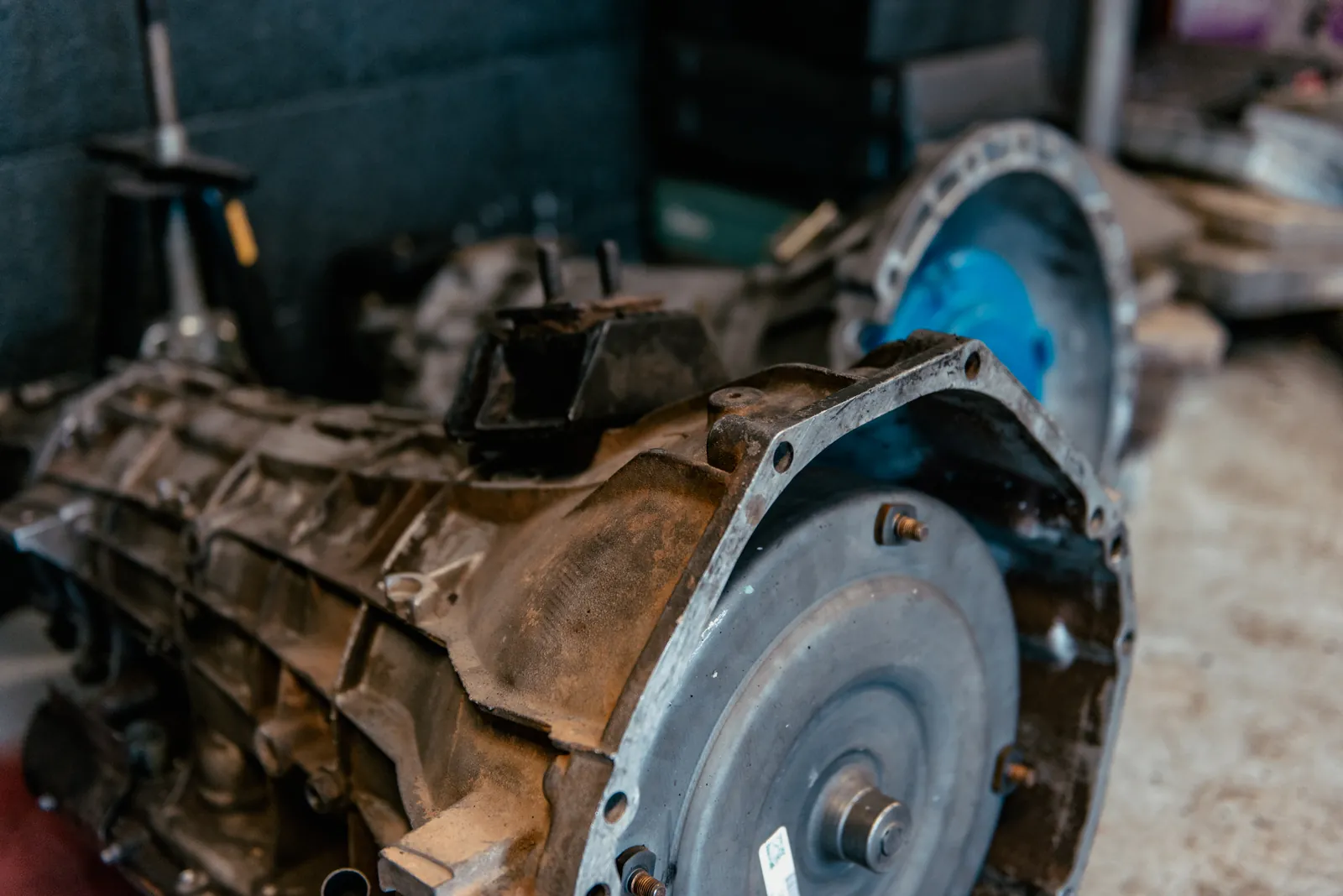
Transmission assembly prepared for service at Advanced Transmission Rebuilding

Start with the symptom

Get a clear answer before a clutch problem leaves you stuck.

A manual-transmission vehicle depends on the clutch every time you pull away, shift gears, or hold the vehicle at a stop. When it starts slipping, grabbing, shuddering, or feeling unusually hard to use, everyday driving can become stressful fast. You may notice that the engine revs climb but the vehicle does not accelerate as it should, that shifting takes more effort, or that a familiar pedal suddenly feels different under your foot.

Advanced Transmission Rebuilding helps Prescott drivers identify the cause of clutch and manual-transmission concerns before they commit to a repair. The shop starts with what you are noticing on the road, then checks the vehicle and explains what the findings mean. That matters because a slipping clutch, a hydraulic issue, a release-bearing noise, a shift concern, or a transmission-related problem can feel similar from the driver's seat. The right answer comes from inspection, not from guessing based on one symptom.

Whether you drive a commuter car, a work truck, an SUV, or a vehicle you use for towing, a clutch concern deserves timely attention. Driving through a worsening problem can turn a manageable repair into a larger interruption, especially when the vehicle begins to struggle under load or cannot be shifted safely. Bring in the details you have noticed, and the team can help you understand the next practical step.
Common warning signs

What a clutch problem can feel like on the road.

Not every clutch issue feels the same. The pattern of the symptom, including when it happens and whether it changes under load, gives the technician useful information.

Slipping under acceleration

If the engine revs rise but the vehicle does not pick up speed at the same rate, especially while accelerating uphill, merging, towing, or using a higher gear, the clutch may not be transferring power as it should. This is one of the most important signs to have checked promptly.

Difficulty shifting gears

Resistance when selecting a gear, grinding, a gear that will not engage cleanly, or a vehicle that creeps with the clutch pedal fully pressed can point to a clutch release concern, hydraulic problem, linkage issue, or another transmission-related condition.

Chatter or shudder on takeoff

A vehicle that shakes, grabs, or feels uneven when starting from a stop can make driving in traffic uncomfortable. The cause may involve clutch components, contamination, mounts, flywheel condition, or another concern that should be inspected as a complete system.

Burning smell or new noise

A burning odor after acceleration, towing, or stop-and-go driving can signal clutch material overheating. A chirp, growl, or rattle that changes when the clutch pedal is pressed is also worth describing. If a smell is strong, the vehicle will not move normally, or shifting becomes unsafe, call the shop before driving farther.

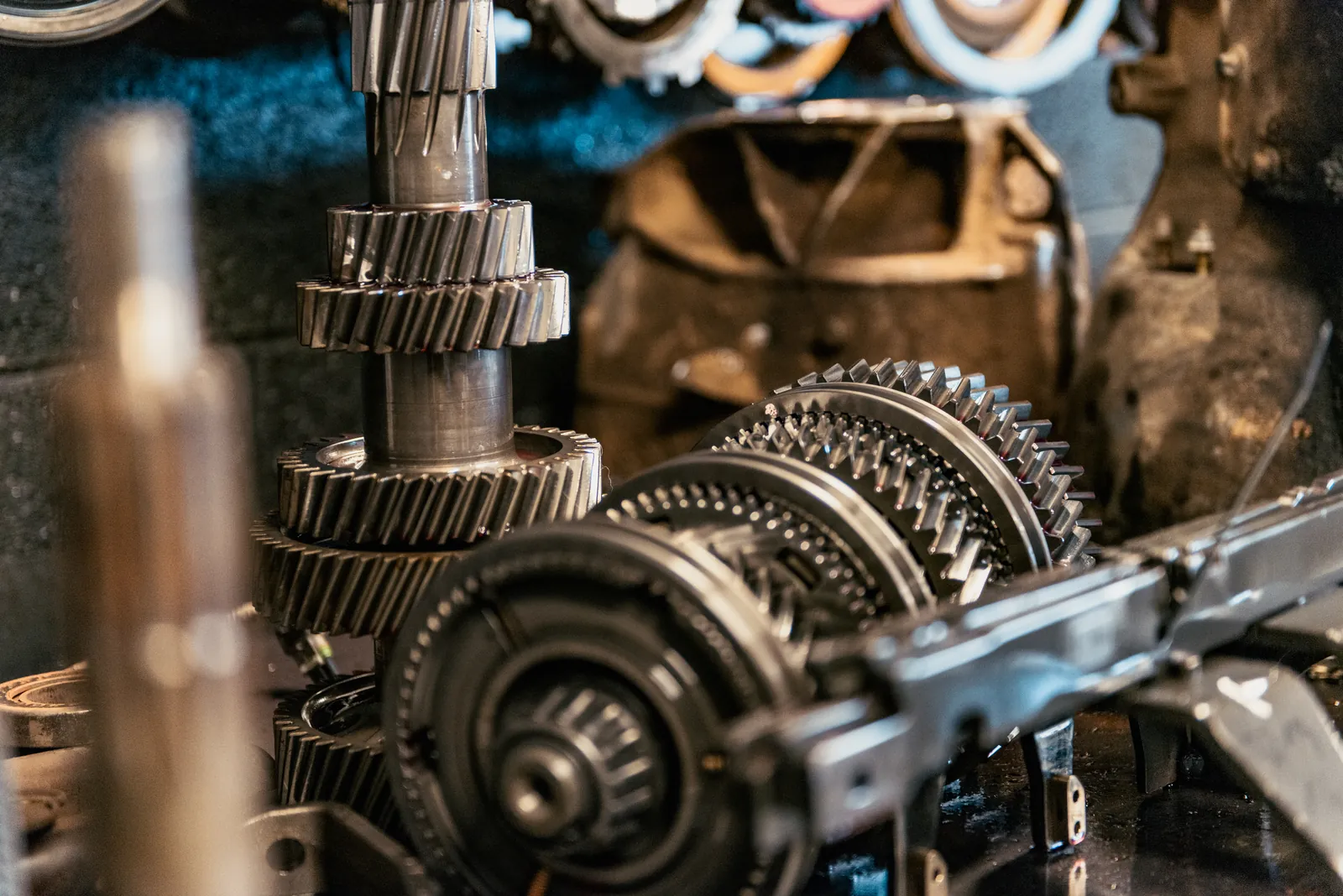
Transmission gears on a workbench at Advanced Transmission Rebuilding

Manual transmission service

One symptom can have more than one source.

The clutch is part of a larger system. It works with the flywheel, pressure plate, release components, pedal controls, and the manual transmission itself. A problem in any of those areas can change the way the vehicle engages a gear or transfers power to the wheels.

That is why a careful diagnosis is more useful than replacing parts based on a single noise or feeling. A pedal that stays low, a difficult shift, a vibration, or a sound when pressing the pedal may be connected to the clutch, but the source can also be hydraulic, mechanical, or inside the transmission. The shop checks the vehicle as a system so you are not sent down the wrong repair path.

For trucks and vehicles that tow, share how the concern changes with a trailer, a hill, a heavy load, or four-wheel drive. For any vehicle, it helps to note whether the issue began suddenly or gradually, which gear is affected, and whether it is different after the vehicle warms up.

A practical inspection

Know what is happening before you decide what to repair.

A clutch is a wear item, but the work it needs is not always identical from vehicle to vehicle. The condition of related components matters, and the symptom may lead somewhere other than the clutch assembly. The goal is to identify the actual failure, discuss the condition of the surrounding parts, and give you a straightforward recommendation for getting the vehicle back to dependable driving.

Advanced Transmission Rebuilding specializes in the transmission systems that make a clutch concern more complicated than a basic adjustment. That experience is valuable when the vehicle has more than one symptom, has had prior repair work, or needs a closer look at how the transmission and driveline are operating together. You get one shop to start the conversation, not a handoff between unrelated repair categories.

There is no benefit in waiting for a clutch concern to become a complete loss of drive. A vehicle that still moves can often give you time to schedule an inspection, but a sudden change in engagement, a strong burning smell, or trouble selecting a gear is a reason to call sooner. Describing the condition early helps the shop plan the right inspection and helps you make an informed decision before the problem disrupts work, travel, or towing.

A clear path forward

What happens when you bring in a clutch concern.

  1. 01

    Describe what changed

    Tell the team how the vehicle feels, sounds, shifts, or responds under load. The most useful clue is often when the symptom appears, not just the name a driver gives it.

  2. 02

    Inspect the system

    The vehicle can be checked for the conditions behind the concern, including the clutch operation, release system, transmission behavior, leaks, and related components that can affect shifting or engagement.

  3. 03

    Review the recommendation

    You get a direct explanation of what was found and what work makes sense for the vehicle, whether that is a targeted repair, clutch service, or attention to another part of the manual-transmission system.

Frequently asked questions

Answers for Prescott drivers.

How do I know if my clutch is going bad?+

Common signs include an engine that revs without the vehicle gaining speed as expected, difficulty getting into gear, a clutch pedal that feels different, a burning smell, chatter when taking off, or a new noise when pressing the pedal. More than one system can create similar symptoms, so an inspection is the best way to identify the cause.

Can I keep driving with a slipping clutch?+

A slipping clutch can get worse quickly because the friction material is overheating as it loses its grip. If the vehicle struggles to move, you smell burning, shifting becomes difficult, or you cannot select a gear safely, avoid continued driving and call the shop for guidance.

Does every clutch problem need a full replacement?+

No. The right repair depends on what the inspection finds. The concern may involve the clutch disc and pressure plate, release components, hydraulic parts, linkage, transmission-related components, or another issue affecting how the vehicle shifts. The team will explain the actual problem before recommending work.

What should I tell the technician before a clutch inspection?+

Share when the concern happens, whether it is worse when the vehicle is cold or warm, what gear it occurs in, whether you tow or drive off-road, and any recent repairs or changes in pedal feel. Details like those help the team reproduce the problem and narrow down the diagnosis.

935 Haining Street, Prescott

Get a clearer answer about your clutch.

Call Advanced Transmission Rebuilding to discuss the slipping, shifting, pedal, vibration, or noise concern you are noticing.

Call (928) 778-4663935 Haining St, Prescott, AZ 86305