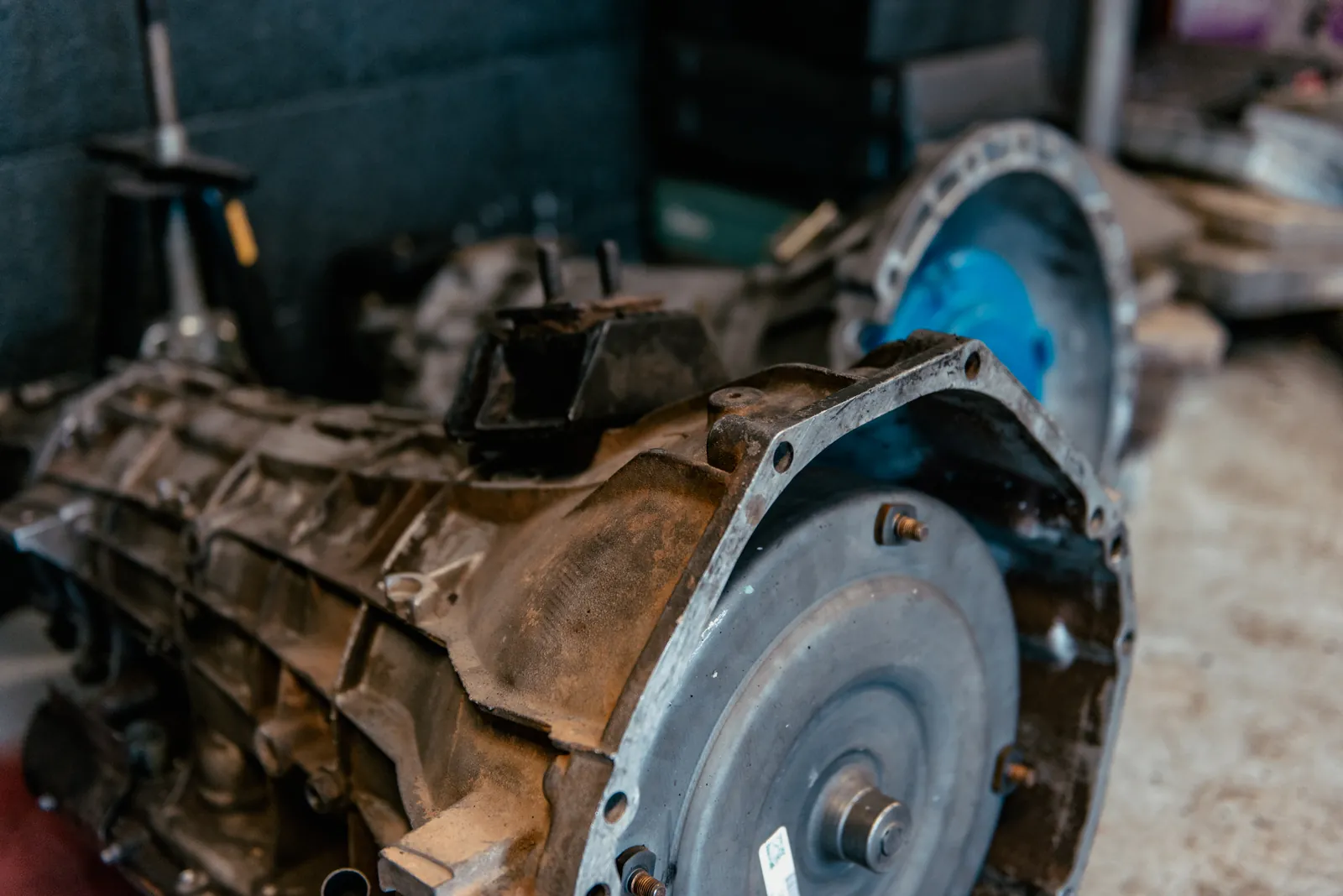
A practical inspection
Start with the cause before deciding on the repair.
Axle concerns are often most noticeable when a vehicle is under load, but the source is not always visible from the outside. A technician can check for boot damage, grease loss, leaks, looseness, worn joints, road-impact damage, and the conditions that recreate the sound or vibration. That process matters because the same complaint may lead back to a wheel bearing, differential, driveshaft, suspension part, tire issue, or transmission-related condition.
Prescott roads, unpaved routes, towing, mountain driving, and everyday wear can all be part of the vehicle's story. Mention a recent pothole, curb strike, trail use, tire change, alignment, or suspension repair, even if it seems unrelated. A change that started after other work or an impact can be a useful clue, and a condition that only appears at a certain speed or while turning should be described as specifically as possible.
There is no benefit in waiting for a small concern to become a breakdown. A vehicle that still drives may give you time to schedule an inspection, but loud noises, heavy vibration, an active leak, a visibly damaged axle, or trouble moving normally are reasons to call sooner. A clear diagnosis lets you decide on the next step with a better understanding of what the vehicle actually needs.