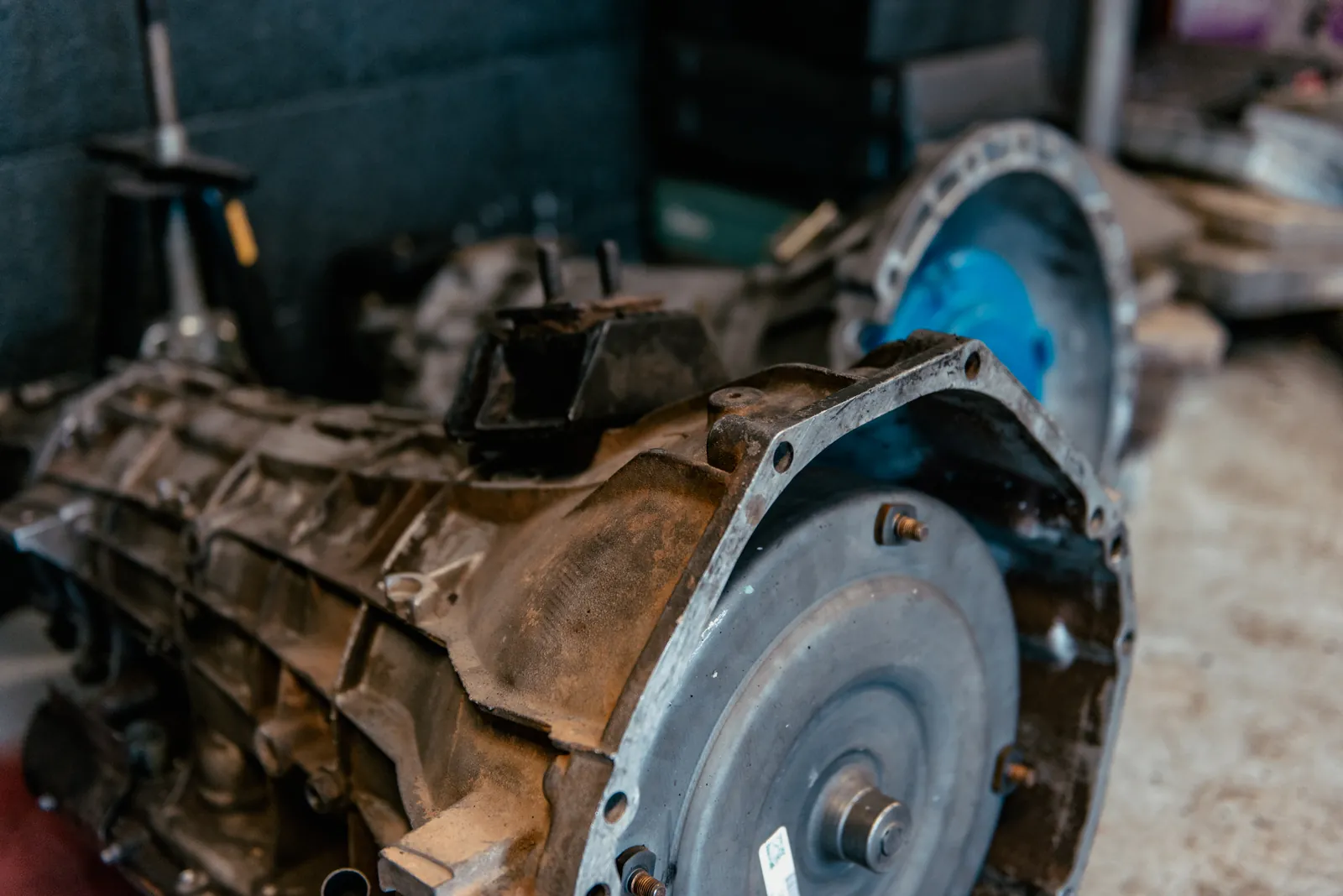
A transmission shudder can feel like the vehicle briefly drives over a rumble strip, even on smooth pavement. It may appear during light acceleration, at a familiar road speed, while climbing a grade, or after the vehicle has warmed up. Because the sensation can be intermittent, it is easy to put off. The better move is to notice the pattern before guessing at the repair.
A shudder does not automatically mean the transmission has failed. The same feeling can come from a torque converter, an axle or driveshaft, a differential, a wheel or tire issue, engine performance, or another drivability concern. A proper inspection starts by reproducing the symptom and narrowing down which system is creating it.
What Is a Transmission Shudder?
Drivers use “shudder” for a fast vibration that comes and goes with vehicle speed, throttle position, or a gear change. It can feel mild at first, then become easier to notice under load or after a longer drive. Some people feel it through the seat or steering wheel. Others hear a faint change in sound at the same moment.
What makes the symptom useful is its timing. A shudder while braking calls for a different starting point than one that happens while accelerating. A vibration that changes when turning may point a technician toward a different part of the vehicle than one that appears during a lockup event at a steady cruise. Describing the condition clearly helps avoid replacing a part based on a broad symptom alone.

When Drivers Usually Notice It
Make a quick note of the road speed, engine temperature, and driving situation when the sensation appears. A small set of details can make a diagnosis much more efficient:
- Light acceleration: Does it appear as you ease into the throttle, merge, or climb a gentle hill?
- Steady cruising: Does it happen at a narrow speed range or after the vehicle has been driven for a while?
- Gear changes: Is it paired with a hard, delayed, or uncertain shift?
- Turning or bumps: Does steering input or a rough road change the vibration?
- Heat or towing: Is it worse in traffic, on grades, with a trailer, or after a long drive?
You do not need to diagnose the vehicle before bringing it in. You also do not need to force the symptom to happen repeatedly. Hard acceleration, towing, and long trips can add heat and load when a drivetrain concern is still unknown.
What Can Cause a Shuddering Sensation?
Transmission fluid condition or a torque converter issue can be part of a shudder, but they are not the only explanations. On an automatic transmission, the converter and its lockup operation can create a vibration that feels closely tied to speed and throttle. Fluid that is low, worn, overheated, or incorrect for the vehicle can affect how the system operates. That still does not make a fluid service the automatic answer.
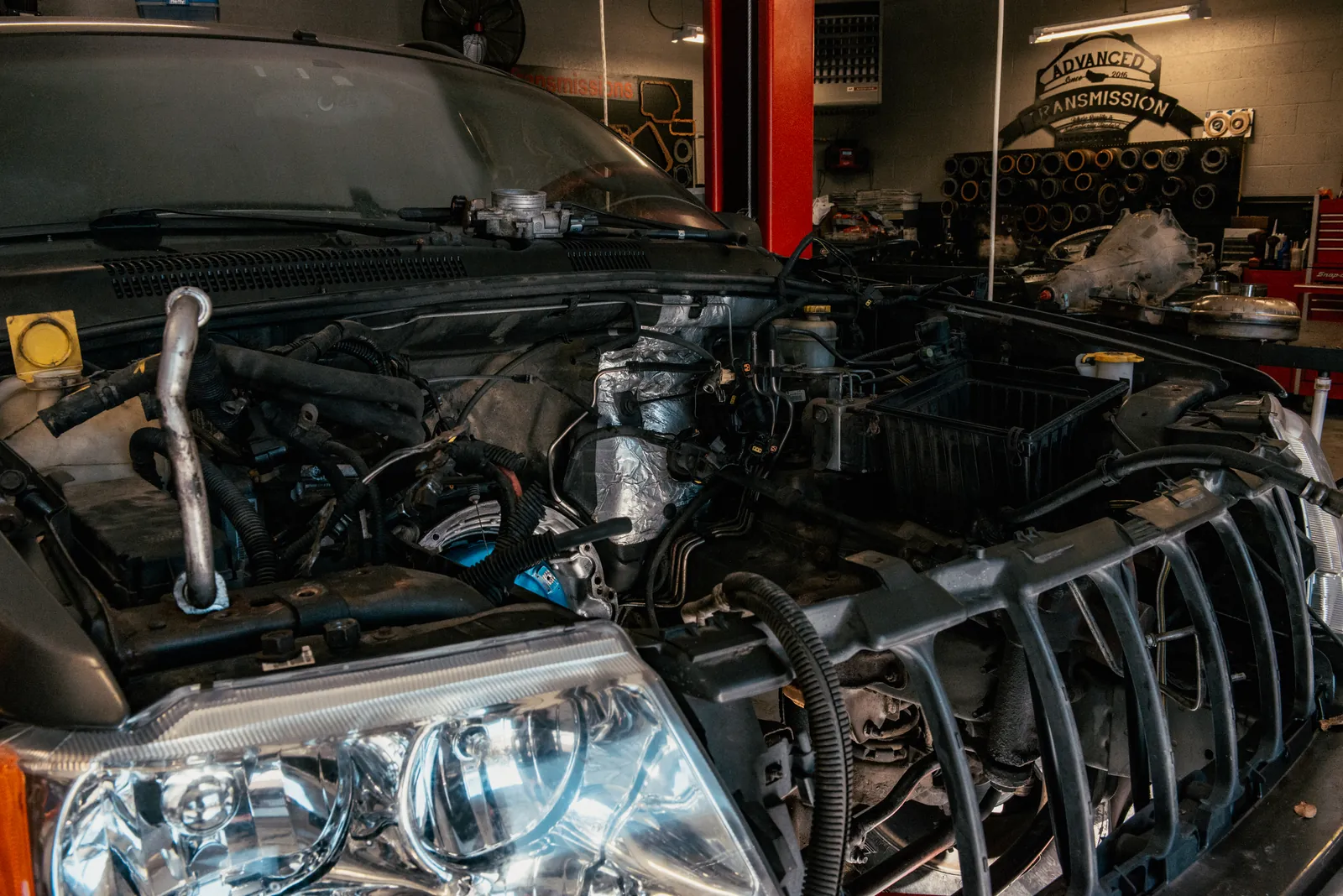
Related drivetrain parts deserve the same care. An axle, CV joint, driveshaft, differential, or mount can create a vibration that feels like it comes from the transmission. Tire condition, wheel balance, brake concerns, and an engine misfire can also overlap with what a driver feels. Our drivetrain repair service covers the related components that help transfer power to the wheels.
Why the Exact Driving Pattern Matters
“It shudders sometimes” is a useful starting point, but the details are what make the symptom diagnosable. A vibration during low-speed, light-throttle acceleration has a different set of possibilities than one that starts only at highway speed. A problem that appears when the vehicle is cold can lead a technician down a different path from one that appears after thirty minutes in stop-and-go traffic.
Vehicle manufacturers publish narrow technical guidance for some specific combinations of vehicle, engine, transmission, and driving conditions. For example, a Toyota technical bulletin for certain 2012–2014 Camry models describes an intermittent torque-converter shudder under light load at roughly 25 to 50 mph. That does not mean every shudder has the same cause, or that the bulletin applies to every Camry. It shows why a road-test pattern is more valuable than a broad label.
There can also be a difference between a transmission issue and a vibration that happens to be felt through the vehicle. If the condition changes with engine speed while parked, it may not be related to wheel speed at all. If it only appears while turning, a technician may look more closely at axles, joints, tires, or suspension. If it happens during a narrow throttle range at a steady cruise, converter operation or control strategy may deserve a closer look. The goal is not for the driver to choose the repair. The goal is to give the shop a reliable starting point.
How a Proper Diagnosis Narrows It Down
A useful diagnosis begins with the vehicle’s history and a conversation about the conditions that create the shudder. From there, the vehicle may need a road test, visual inspection, fluid and leak check, and diagnostic information from the vehicle’s control systems. The technician is looking for repeatable evidence, not simply trying parts until the feeling changes.
That process can matter even when a torque converter seems likely. A General Motors diagnostic bulletin cautions that a vehicle may return with more engine or transmission work when a converter is replaced for shudder even though the converter was not the root cause. The bulletin is limited to its named vehicles and procedures, but the diagnostic lesson applies broadly: a familiar symptom is not proof of a single failed part.
Bring the vehicle in as close to the normal symptom conditions as practical. If it only happens after the vehicle warms up, say that. If it seems tied to a specific hill, speed range, gear change, trailer, or load, say that too. If there is a dashboard warning light, leave it alone until it can be checked. Clearing it or disconnecting the battery can remove information that may help explain the condition.
Symptoms That Should Not Wait
A mild, repeatable shudder deserves an appointment. A shudder paired with a more serious drivability change deserves faster attention. If the engine races but the vehicle does not accelerate normally, the transmission delays badly before engaging Drive or Reverse, a warning light appears with a loss of power, or fluid is leaking heavily, do not keep testing the vehicle on the road. Those symptoms can make merging, climbing, or moving through traffic less predictable and potentially unsafe for the driver, passengers, and surrounding traffic.
New grinding, banging, or metal-on-metal noise is another reason to stop and assess the situation rather than driving until the next convenient day. The same is true when the vehicle is overheating, smoking, or leaving a growing fluid spot. A repair decision may still require an inspection, but reducing load and avoiding a long trip can prevent a developing problem from becoming more involved, costly, and inconvenient.
Why a Quick Fix Can Miss the Real Problem
Online searches often point straight to additives or a flush. Those options may sound simpler than an inspection, but they do not identify whether the vehicle has a fluid issue, a control concern, internal wear, or a vibration from another component. An unapproved additive can also change the fluid chemistry the vehicle was designed to use.
Routine maintenance still matters when the vehicle is shifting normally and the manufacturer calls for service. The important distinction is that scheduled maintenance and diagnosis solve different problems. Our transmission flush guide explains why the vehicle’s condition, history, and specified fluid matter before choosing a service. If the fluid level is in question, the guide to signs of low transmission fluid explains why a leak or changing shift behavior needs context, not a guess.
What to Do Before an Appointment
Keep the information simple and factual. Note when the shudder began, whether the vehicle was cold or warm, the approximate speed, how much throttle you were using, and whether there was a warning light, noise, smell, or visible fluid. Bring recent repair invoices or maintenance records if you have them. That history can show what work was done and which fluid or parts were used.
If the vehicle is losing normal acceleration, slipping badly, making severe noise, leaking heavily, or feels unsafe in traffic, avoid driving farther just to test it. Pull over safely and arrange the next step. For a less severe but repeatable vibration, reduce heavy loads and avoid towing until the cause is clear.

How a Transmission Specialist Can Help
Advanced Transmission Rebuilding helps Prescott drivers sort out whether a shudder is coming from the transmission, torque converter, or a related part of the vehicle. The team can review the symptom pattern, inspect for leaks and driveline concerns, and recommend the next step based on what the vehicle is actually doing.
If your vehicle is also slipping, delayed in gear, shifting hard, or revving without normal acceleration, see our guide to transmission slipping. To discuss a repeatable shudder or vibration, call (928) 778-4663 or contact the Prescott shop.
Frequently Asked Questions
What does a transmission shudder feel like?+
Drivers often describe it as a rapid vibration, a brief rumble-strip feeling, or a shaking sensation while accelerating or cruising at a particular speed. The pattern matters more than the label, so note when it happens and whether it changes as the vehicle warms up.
Can a transmission shudder go away on its own?+
A symptom may come and go, especially when temperature, load, or speed changes, but that does not show that the underlying cause is gone. A repeatable shudder is worth checking before continued driving creates more heat, wear, or uncertainty.
Is a transmission shudder always a transmission problem?+
No. A torque converter or transmission concern can cause a shudder, but so can an axle, driveshaft, differential, wheel bearing, tire issue, engine misfire, or another drivability problem. A diagnosis is needed to separate those possibilities.
Should I use an additive for transmission shudder?+
An additive is not a diagnosis or a repair for worn parts, a leak, or a control problem. Using a product that is not approved for the vehicle can complicate the fluid specification and make it harder to identify what is actually causing the symptom.