
A transmission flush sounds simple: replace old transmission fluid with fresh fluid. The part that gets missed is that the right service depends on the vehicle, its maintenance history, the fluid condition, and whether the transmission is already showing a problem.
For a vehicle that is driving normally and due for maintenance, transmission service can be an important part of protecting smooth shifts and reliable operation. For a vehicle that is slipping, shuddering, delayed in gear engagement, leaking, or making a new noise, the more useful first step is an inspection. Fresh fluid cannot repair a worn internal part, a failing control component, or an active leak.
What a Transmission Flush Does
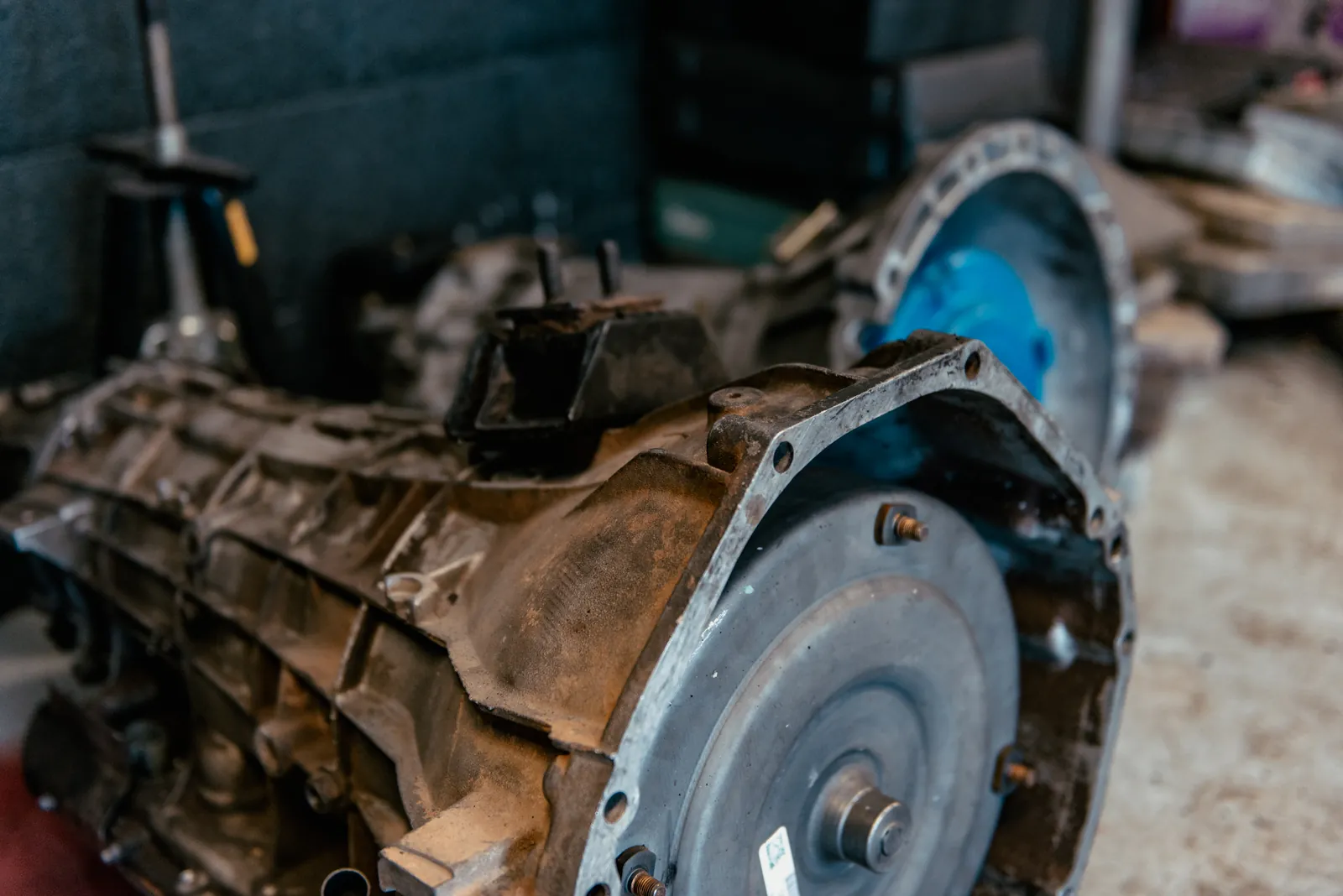
A transmission flush is a service that exchanges old automatic transmission fluid for new fluid throughout more of the system than a simple drain-and-fill usually reaches. Depending on the vehicle and service method, the technician may also inspect the pan, replace a serviceable filter, clean the pan and magnet, and install the exact fluid specified for that transmission.
Transmission fluid does more than lubricate moving parts. In many automatic transmissions, it also carries heat away, supports hydraulic pressure, and helps the transmission apply internal clutches smoothly. Fluid that is old, overheated, contaminated, or incorrect for the vehicle can contribute to poor shifting and unnecessary wear. That does not make every transmission concern a fluid problem, but it explains why the fluid and its condition matter.
The key word is specified. Modern transmissions can require very particular fluid formulas and level-setting procedures. The fluid that looks close enough on a shelf may not be correct for the vehicle. The manufacturer maintenance information is the authority here, so use resources such as Ford's maintenance schedule lookup or Toyota's owner manual library to find the guidance for a specific vehicle.
Transmission Flush vs. Fluid Change
People often use "flush" and "fluid change" as if they mean the same thing. They are related, but they are not identical. A drain-and-fill removes the fluid that can drain from the pan. Some old fluid remains in the torque converter, cooler lines, and other parts of the system. A flush exchanges a larger portion of the fluid through the transmission.

Neither service is automatically better in every situation. A vehicle manufacturer may specify one method, a particular interval, or no routine flush at all. Some transmissions have a filter that is serviced with the pan removed, while others use a different design. The vehicle's service information, not a generic mileage sticker, should guide the decision.
A good service conversation starts with a few basic questions: Is the vehicle shifting normally? Has the fluid been serviced before? Is there a leak? Is there a warning light? Has the vehicle been towing, hauling, or operating in severe heat? Those details help separate routine maintenance from a concern that deserves diagnostic work first.
How Often Should Transmission Fluid Be Serviced?
There is no honest universal mileage answer. Transmission service intervals vary widely by manufacturer, model year, transmission design, fluid type, and how the vehicle is used. Some owners' manuals list a normal-use schedule and a separate severe-use schedule. Others describe an inspection interval or specify a particular maintenance package.
Severe use can include repeated towing, heavy hauling, long idling, regular short trips, mountain driving, sustained high temperatures, or frequent stop-and-go driving. Those conditions can place more heat and load on the transmission fluid. They are a reason to check the manual and discuss the vehicle's history, not a reason to flush every vehicle at the same mileage.
If the service history is unknown, gather what you can before the appointment. A previous invoice, maintenance record, or note from the prior owner can help. If there is no record, say so plainly. That gives the technician the context needed to inspect the vehicle and make a recommendation based on its current condition rather than assuming a service was missed or recently completed. It also helps avoid stacking a new service on top of recent work that may already have addressed the fluid.
When a Transmission Flush Can Make Sense
A transmission flush may be appropriate when the vehicle is driving normally, the manufacturer calls for that service, and the transmission does not have a symptom that needs to be diagnosed. It can also make sense when an inspection confirms that the service is suitable for the vehicle's condition and history.
- You are following the vehicle's maintenance schedule: The recommended interval and fluid type are based on that particular transmission, not a one-size-fits-all rule.
- The transmission shifts normally: Routine service works best as preventive maintenance, before a clear drivability problem develops.
- The fluid and pan can be inspected: A pan inspection can reveal leaks, debris, gasket condition, and whether a serviceable filter needs attention.
- The correct fluid and procedure are available: Proper fluid level is often checked at a specified temperature and may require diagnostic equipment.
For Prescott drivers, heat, steep grades, stop-and-go traffic, and towing can all make it more important to follow the vehicle-specific maintenance plan. They do not create a universal shorter interval, but they are useful context to share when discussing service.
When an Inspection Should Come First
A fluid service should not be used as a shortcut around a transmission diagnosis. If the vehicle is doing something unusual, the goal is to identify why before deciding whether maintenance is part of the answer. This is especially important when a symptom began suddenly or is getting worse. It also keeps the discussion focused on reliability and safety, rather than a temporary change in how the vehicle feels.

Slipping, delayed engagement, or harsh shifts
If the engine revs without normal acceleration, the vehicle hesitates after selecting Drive or Reverse, or shifts feel erratic, start with an assessment. Those are some of the same warning signs covered in our guide to a slipping transmission. Low or degraded fluid may be involved, but internal wear, hydraulic concerns, or electrical controls can produce similar symptoms.
A visible fluid leak
Transmission fluid does not normally disappear. A leak should be located and evaluated because simply adding fluid may leave the underlying seal, line, pan gasket, or component issue unresolved. Continued driving with a low fluid level can create a larger problem.
A warning light, noise, or shudder
A warning light may store information that helps identify a fault. A shudder may be related to transmission operation, but it can also feel similar to an engine or drivetrain concern. New grinding, banging, or whirring noises should not be treated as normal maintenance. Avoid clearing warning lights or disconnecting the battery before an appointment, because that can erase useful diagnostic information.
Questions to Ask Before a Transmission Service
You do not need to arrive with a diagnosis. A few direct questions can help you understand the recommendation and avoid paying for a service that does not match the vehicle's needs.
- What does the manufacturer recommend for this transmission? Ask about the interval, fluid specification, and whether the vehicle calls for a flush, drain-and-fill, inspection, or another service method.
- Are there symptoms or leaks that should be diagnosed first? This keeps routine maintenance from being used to mask a drivability concern.
- Will the pan, filter, and fluid condition be inspected? When the transmission design allows it, those findings can provide helpful context.
- What condition is the fluid in, and what does that mean? Fluid color alone is not a full diagnosis. Ask how the fluid, odor, pan, and any material found relate to the recommendation.
- What should I watch for after the service? A clear answer helps you know what normal operation should feel like and when to call back with a concern.
These questions are not about second-guessing the technician. They help make the vehicle's maintenance plan clear. A shop that works on transmissions every day should be comfortable explaining whether the car needs a scheduled fluid service, a repair, more testing, or simply continued observation.
Why a Flush Does Not Fix Every Transmission Problem
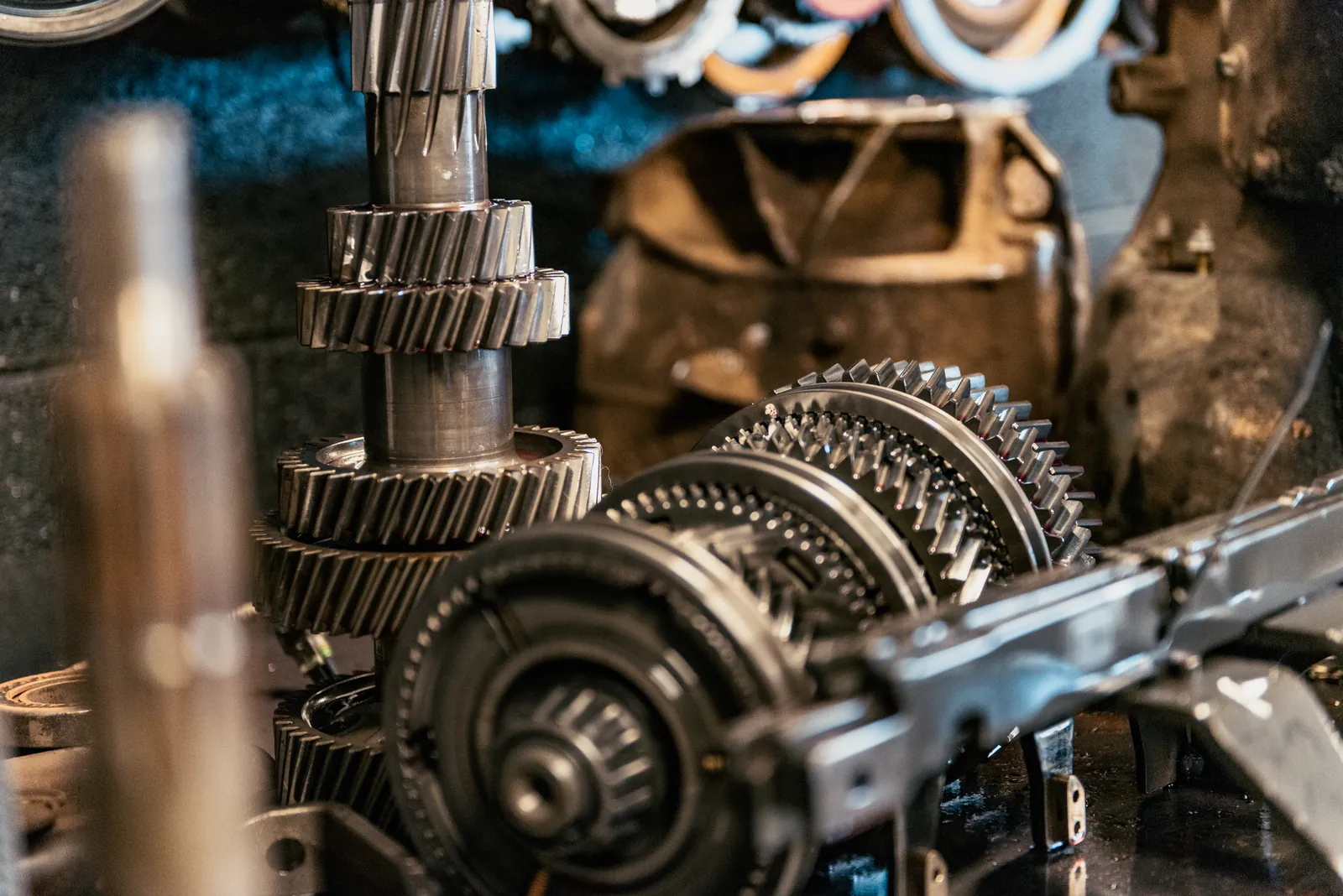
Fresh fluid is maintenance, not a cure-all. An automatic transmission relies on many mechanical, hydraulic, and electronic parts working together. If an internal clutch is worn, a solenoid has failed, a sensor is reporting bad information, or a seal is leaking, new fluid alone cannot restore the part that has failed.
This is why a shop should be cautious about promising that a flush will fix a slipping or poorly shifting transmission. In some cases, the vehicle genuinely needs scheduled maintenance. In others, service may be only one step after the actual issue is identified. Honest diagnosis gives the driver a better decision than a hopeful guess.
Be careful with additives marketed as a quick answer for transmission symptoms. An additive can change how a fluid behaves, but it cannot rebuild worn parts or diagnose a fault. Using an unapproved product can also make it harder to understand what is happening inside the transmission. When in doubt, follow the manufacturer's guidance and ask a specialist to evaluate the concern. The same caution applies to any service that promises a guaranteed fix before the vehicle and its symptoms have been inspected.
What a Professional Transmission Service Should Include
Not every vehicle needs the same work, but a professional transmission service should be based on the vehicle rather than a menu board. The technician should confirm the fluid specification, review the maintenance history, inspect for leaks, and consider any shifting or drivability concerns before recommending a flush or fluid change.
When the pan is removed on a serviceable design, the pan, gasket, magnet, and filter can provide useful information. Fine material on a magnet can be expected in some situations, while unusual debris, a strong burnt odor, or a concerning amount of material may point to a need for further evaluation. That is why seeing the condition of the system matters.

Correct fluid level is also more involved than many drivers expect. Some vehicles must be checked at a specific fluid temperature, with the engine running, or through a designated fill and overflow procedure. A proper service follows the vehicle's procedure instead of treating every transmission like it has a dipstick and one universal fluid.
How Advanced Transmission Rebuilding Can Help
Advanced Transmission Rebuilding helps Prescott drivers separate routine maintenance from a problem that needs closer attention. The team can inspect fluid condition, look for leaks, assess shifting concerns, and recommend the right next step for the vehicle. That may be a fluid service, a targeted repair, or more involved transmission diagnosis and repair when the symptoms call for it.
When a transmission is acting differently, early attention is usually the better move. It can help prevent continued heat, low fluid, or hard use from making a manageable issue more involved. To discuss your vehicle, call (928) 778-4663 or contact the Prescott shop.
Frequently Asked Questions
Is a transmission flush the same as changing transmission fluid?+
No. A fluid change or drain-and-fill replaces the fluid that can be drained from the transmission pan. A flush uses equipment to exchange more of the old fluid through the system. The right service depends on the vehicle, its maintenance schedule, and its condition.
Can a transmission flush fix slipping?+
A fluid service can help only when the diagnosis shows that worn or low fluid is part of the problem. Slipping can also come from leaks, electrical controls, hydraulic faults, or internal wear. A flush is not a universal repair for a transmission that is slipping.
How often should transmission fluid be changed?+
There is no single interval for every vehicle. The correct interval, fluid specification, and service procedure come from the vehicle manufacturer. Driving conditions such as towing, heavy loads, heat, and stop-and-go traffic can also matter.
Should I flush a high-mileage transmission?+
High mileage alone does not decide it. If the vehicle has an unknown service history, shifting problems, a leak, or very dark fluid, an inspection should come before choosing a service. That helps avoid treating a symptom without understanding its cause.