Prescott transmission rebuilding

Transmission Rebuilding in Prescott, AZ

When a simple repair is not enough, Advanced Transmission Rebuilding helps you understand the condition of your vehicle and the right path forward.

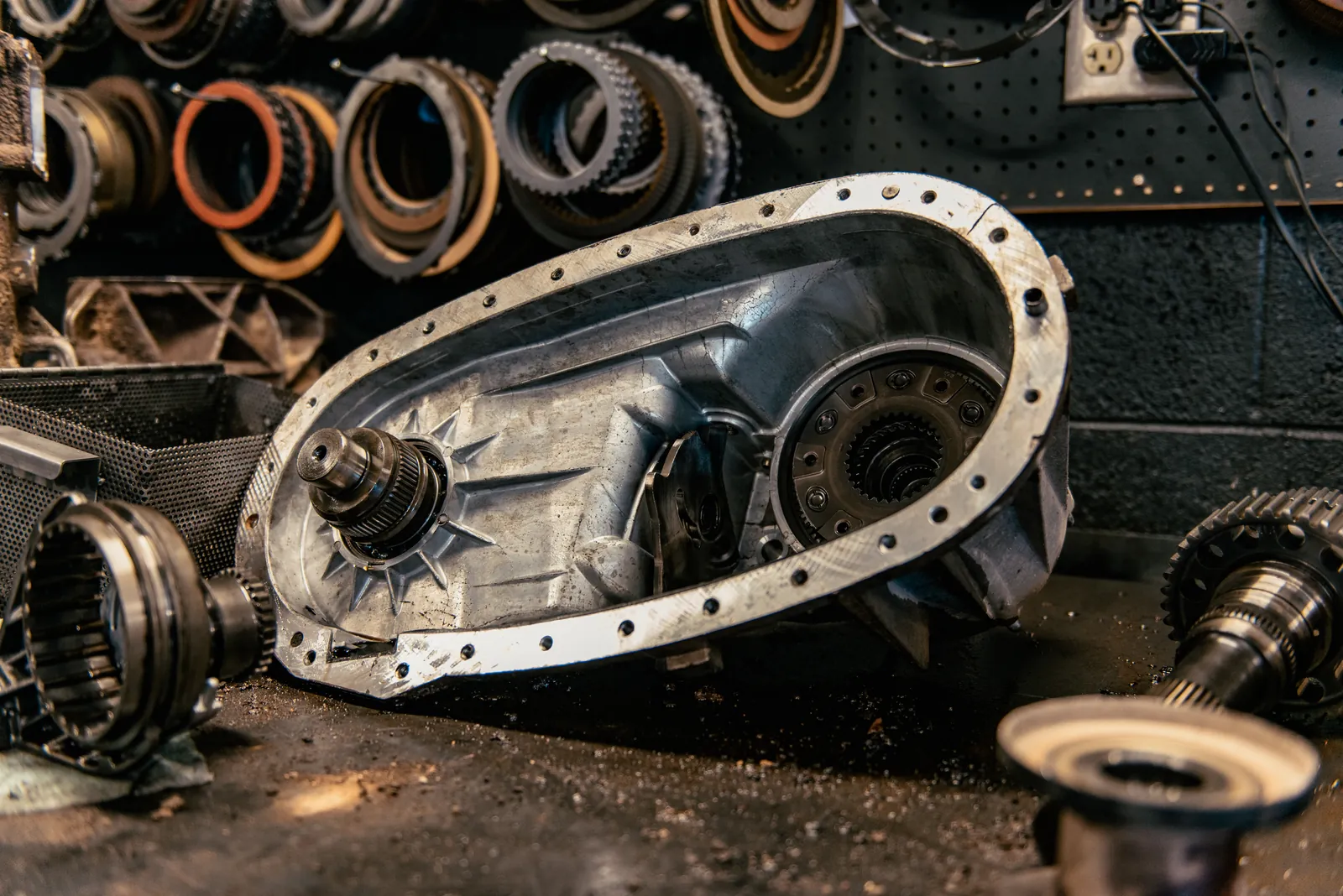
Transmission components prepared for rebuilding at Advanced Transmission Rebuilding

A serious repair decision

Start with the real condition of the transmission.

A transmission problem can be disruptive long before the vehicle stops moving. You may notice engine revving without normal acceleration, a delay when shifting into Drive or Reverse, a harsh shift, a shudder, a new whine, a fluid leak, or a warning light. Those symptoms deserve attention, but they do not automatically mean the transmission needs to be rebuilt. A maintenance concern, external repair, electrical-control issue, clutch problem, axle concern, or another driveline condition can create a similar experience from the driver's seat.

Advanced Transmission Rebuilding helps Prescott drivers get a clear answer before committing to major work. The team starts with what the vehicle is doing, looks for the conditions that reproduce the problem, and evaluates the transmission along with related systems when the symptom calls for it. The goal is to identify what failed and explain the practical options, not to jump straight to the largest repair.

When a rebuild is the right answer, it is because the transmission has internal wear or damage that cannot be addressed reliably with a limited repair. That can happen after prolonged slipping, a loss of lubrication, damaged internal parts, heavy use, or a problem that has progressed beyond one accessible component. Knowing why the work is being recommended gives you a stronger basis for deciding how to move forward with your car, truck, or SUV.

It is reasonable to have questions before approving work at this level. The shop can explain how the vehicle's symptoms and inspection findings relate to the recommended path, what other related concerns should be considered, and what information would help make the decision clearer. A direct conversation is especially helpful when the vehicle is needed for work, family transportation, long trips, or regular towing.
Signs to take seriously

Do not wait for a complete loss of drive to ask for help.

Some transmission concerns begin gradually. The sooner you can describe the change in how the vehicle shifts or responds, the more useful that information is during an inspection.

Slipping or revving between shifts

If the engine speed rises but the vehicle does not pull as it normally would, especially under acceleration or load, the transmission may not be transferring power consistently. Note whether the concern happens in one gear, after warming up, on hills, or while towing.

Delay engaging Drive or Reverse

A noticeable pause before the vehicle moves after selecting a gear is worth checking. A delay can be connected to fluid, pressure, internal wear, or another control issue. Do not assume it will correct itself because the vehicle eventually begins moving.

Harsh shifts, shuddering, or new noise

A hard shift, repeated shudder, whining sound, grinding, or clunk can have more than one cause. The pattern matters. Let the shop know the speed, gear, road condition, temperature, or load that brings it on.

Leaks, burnt smell, or warning lights

Transmission fluid on the ground, fluid with a burnt smell, smoke, a warning light, or a sudden loss of normal operation should be addressed promptly. If the vehicle feels unsafe or will not move predictably, call before driving farther.

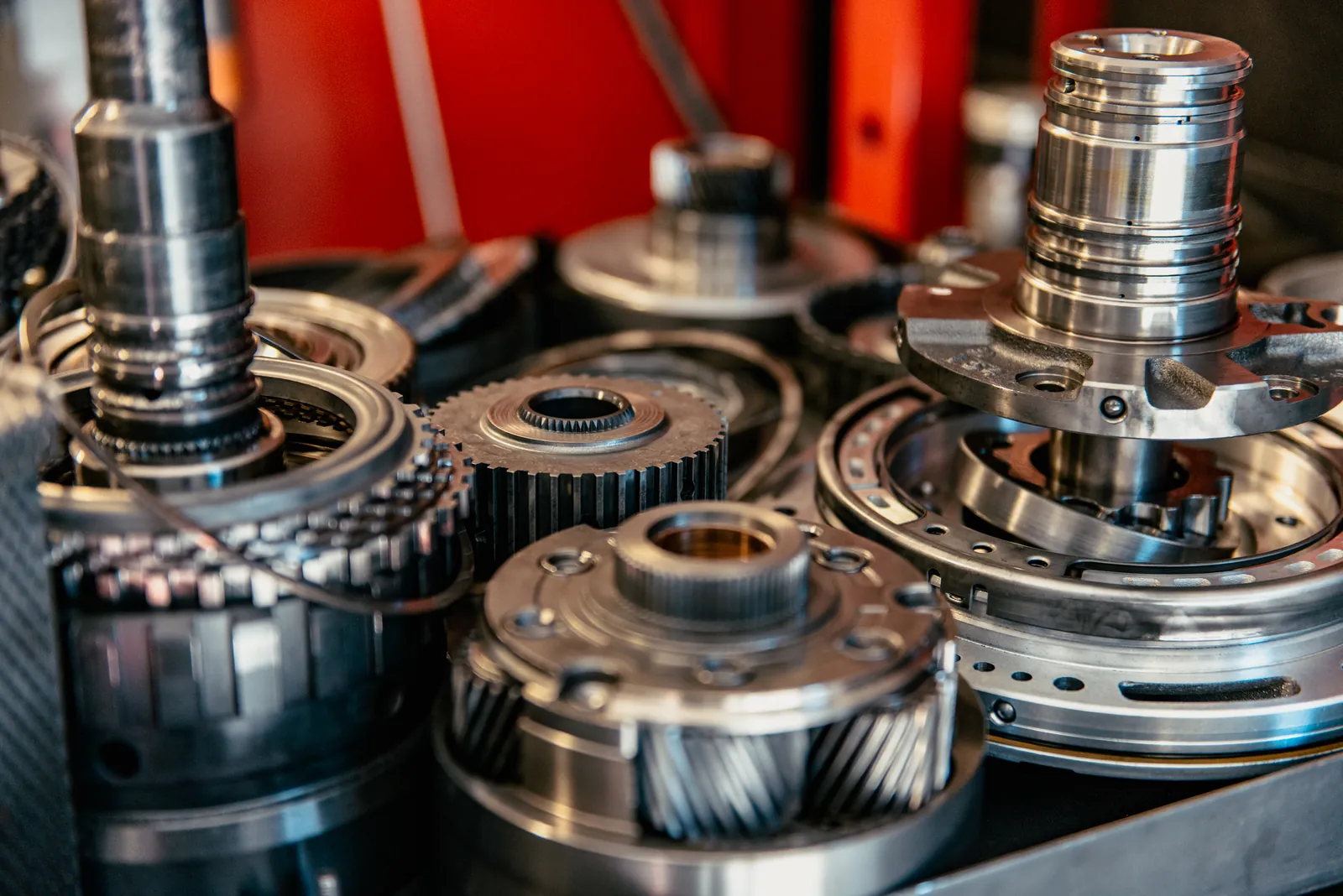
Transmission gears and parts in the Advanced Transmission Rebuilding shop

Repair, rebuild, or maintenance

The best answer depends on what the inspection finds.

A transmission service may be appropriate when the problem relates to maintenance needs, a leak, an adjustment, an external component, or a condition that can be addressed without rebuilding the whole unit. In other cases, the transmission may have internal damage or wear that affects how it transfers power, shifts, or holds pressure. That is when a rebuild becomes a more meaningful conversation.

The difference matters. Recommending a rebuild without understanding the source of the symptom can leave the actual problem unresolved. Delaying a problem that has already progressed can also allow more damage. An inspection gives the team a way to separate those situations and talk through the work that fits your vehicle's condition.

For trucks, SUVs, work vehicles, and vehicles that tow, it also helps to discuss how the transmission is used. Towing, mountain grades, heavy loads, stop-and-go driving, and four-wheel-drive use can change when a symptom appears. That context helps the shop understand the concern and what dependability needs to look like when the work is complete.

A clearer rebuild conversation

Know what to ask before authorizing major transmission work.

Transmission rebuilding is a significant repair, and a good decision starts with a plain explanation. You should understand what the vehicle is doing, what the inspection points to, and why a rebuild, repair, or maintenance service is being recommended. The team at Advanced Transmission Rebuilding can talk through the symptoms you noticed and the findings from the vehicle so the next step is easier to evaluate.

It is also useful to share the vehicle's history. Prior transmission work, recent service, a change after towing, a road impact, overheating, warning lights, or a fluid leak can all add context. If the vehicle has been driven while slipping or struggling to engage gear, say so. Those details do not decide the repair by themselves, but they help make the diagnosis more complete.

Advanced Transmission Rebuilding specializes in transmission diagnosis, repair, maintenance, and rebuilding for Prescott-area drivers. That specialty is valuable when the vehicle has more than one symptom or when it is difficult to tell whether the issue comes from the transmission, a clutch, an axle, a driveshaft, a differential, or another related system.

For a vehicle that is still drivable, paying attention to the pattern before the appointment can be useful. Notice whether the change is steady or intermittent, whether it is stronger after a longer drive, and whether it changes when the vehicle is loaded. That information helps turn a vague concern into a more productive starting point when the vehicle comes into the shop.

What to expect

A practical path from concern to recommendation.

  1. 01

    Describe the change

    Tell the team what happens on the road, when it started, and whether the concern changes with temperature, speed, load, or gear selection.

  2. 02

    Inspect the vehicle

    The transmission and related systems can be evaluated for the conditions behind the symptom, including leaks, drivability changes, and diagnostic information when it is useful.

  3. 03

    Review the right path

    You get a direct explanation of whether maintenance, a targeted repair, or transmission rebuilding makes the most sense for the vehicle's condition.

Frequently asked questions

Transmission rebuilding answers for Prescott drivers.

How do I know whether my transmission needs a rebuild?+

A rebuild is not the answer to every shifting concern. Slipping, delayed engagement, harsh shifts, a loss of drive, burnt fluid, or significant internal noise can point to a more involved transmission problem, but an inspection is needed to identify the cause and the right repair path.

Is it better to repair or rebuild a transmission?+

That depends on what has failed and the condition of the transmission as a whole. A targeted repair or maintenance service can make sense when the issue is limited. A rebuild may be the more practical option when internal wear or damage is extensive. The shop can explain what the diagnosis shows before work is recommended.

Can I drive with a transmission that is slipping?+

A slipping transmission can worsen quickly, especially if the engine revs but the vehicle does not accelerate normally, it struggles to engage gear, or a warning light, burning smell, or leak is present. Call the shop to discuss what the vehicle is doing and whether it is safe to drive in.

What should I bring to a transmission rebuild appointment?+

Bring the vehicle, any maintenance or repair records you have, and a clear description of the change you noticed. It is especially useful to note when it happens, whether the vehicle is cold or warm, which gear is involved, and whether there are leaks, warning lights, or recent towing or heavy-load use.

935 Haining Street, Prescott

Get a clear answer before a transmission problem gets bigger.

Call Advanced Transmission Rebuilding to discuss the shifting, slipping, leak, noise, or loss-of-drive concern you are noticing.

Call (928) 778-4663935 Haining St, Prescott, AZ 86305